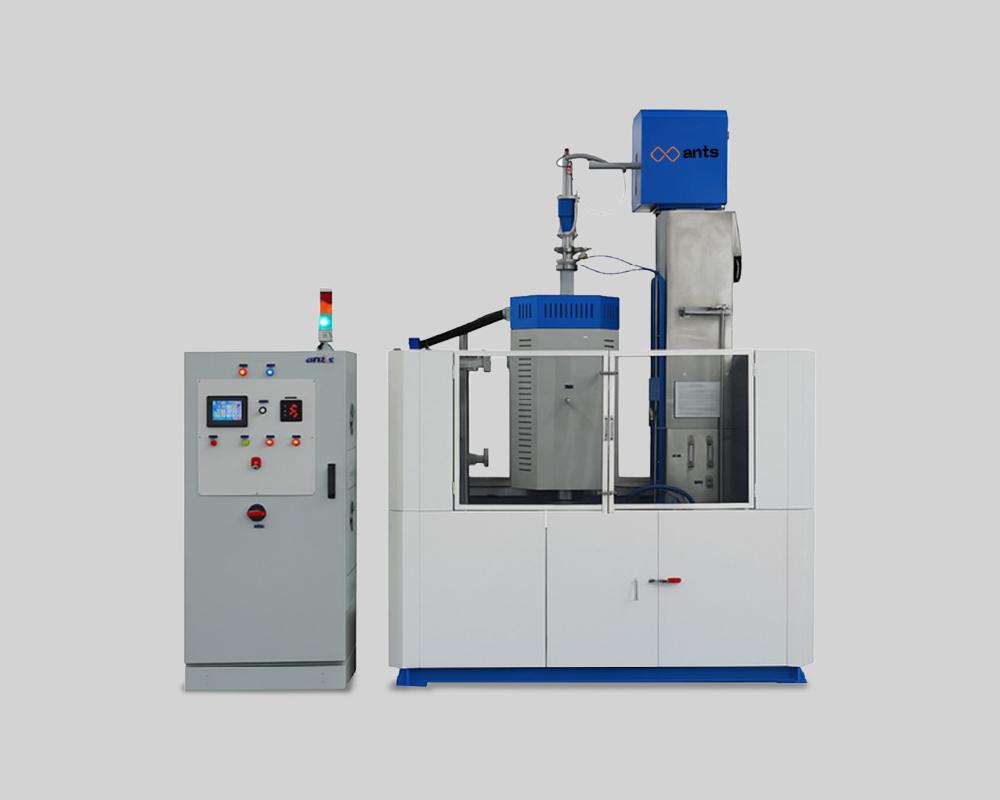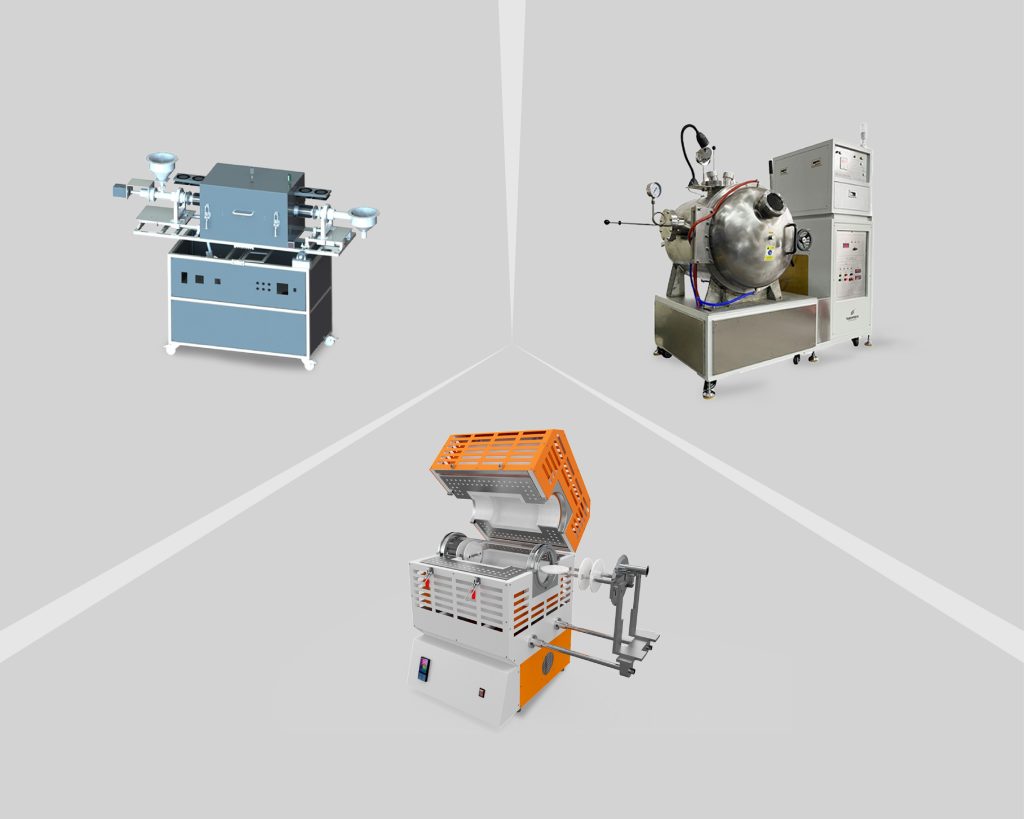
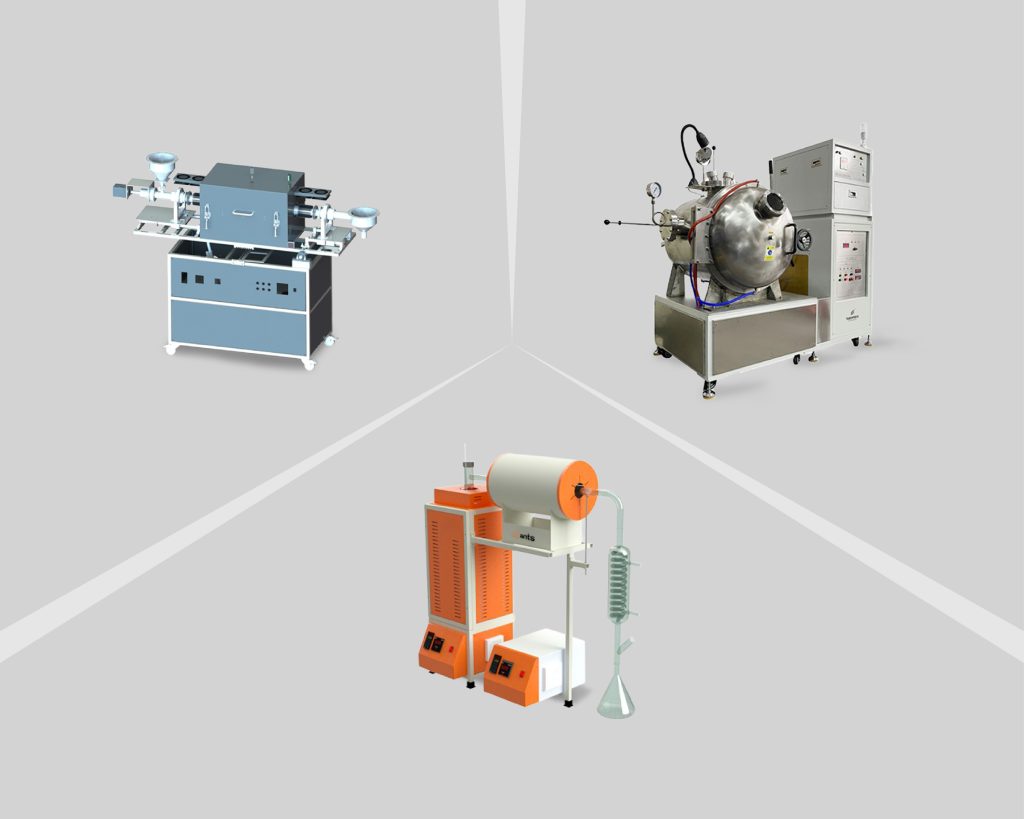
A rotary tube furnace is a continuous thermal processing system where materials are heated as they travel through a rotating, cylindrical tube. This design ensures uniform heat distribution, efficient mixing, and precise control over residence time, making it a preferred choice for processes requiring consistent thermal treatment.
Key Features and Advantages
- Uniform Heating and Mixing: The rotation of the tube gently tumbles the material, exposing all particles evenly to the heat source. This results in highly uniform temperature profiles and consistent product quality, which is crucial for sensitive materials like battery black mass, catalysts, and advanced ceramics.
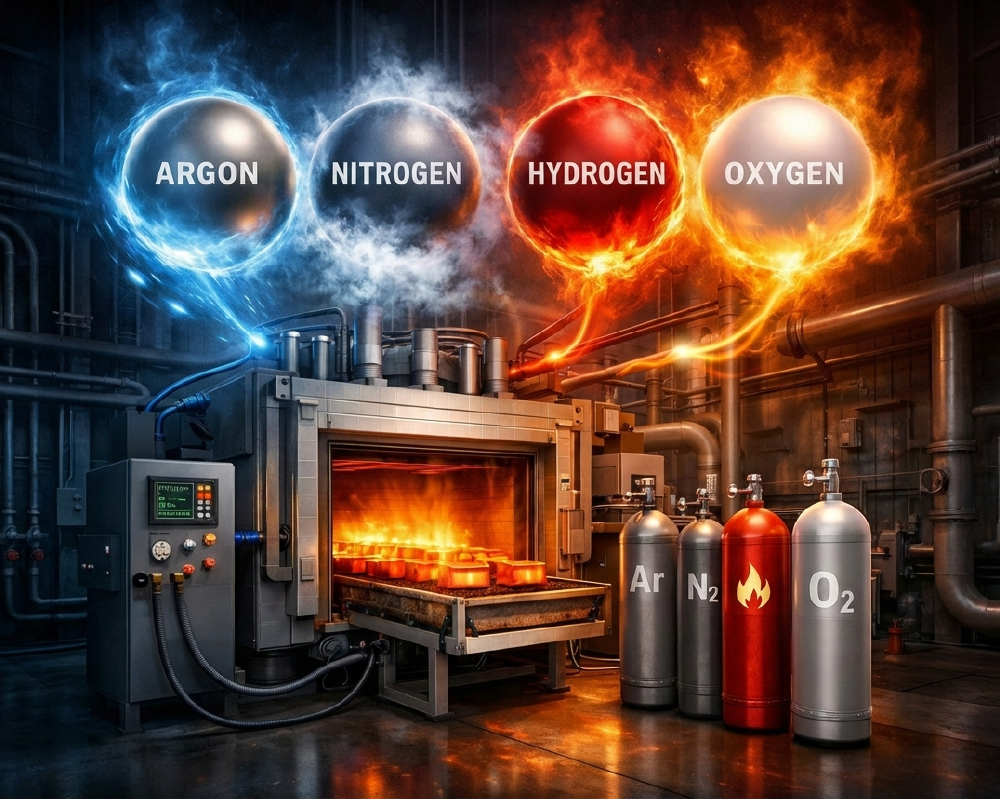
- Controlled Atmosphere Processing: Rotary tube furnaces can operate under vacuum, inert, or reactive gas atmospheres. This flexibility allows for oxidation, reduction, pyrolysis, or calcination processes while preventing contamination or unwanted reactions—essential for high-purity applications.
- Continuous and Scalable Operation: Unlike batch furnaces, rotary tube systems support continuous feed and discharge, making them ideal for scaling up from pilot to industrial production. Adjustable rotation speed and temperature zones enable precise control over process parameters.
Applications of Rotary Tube Furnaces Across Industries
- Battery Recycling and Materials Recovery: Rotary tube furnaces are widely used in the recycling of lithium-ion and other advanced batteries. They enable safe thermal pre-treatment to deactivate cells, pyrolysis to remove organic binders, and calcination to purify black mass. These steps are essential for recovering valuable metals like lithium, cobalt, and nickel, while ensuring environmental compliance and process safety.
- Advanced Ceramics and Powder Metallurgy: In the production of technical ceramics and metal powders, rotary tube furnaces provide precise control over temperature and atmosphere. This is crucial for sintering, calcination, and reduction processes, resulting in high-purity, uniform materials used in electronics, aerospace, and medical devices.
- Catalyst Manufacturing and Regeneration: The chemical and petrochemical industries rely on rotary tube furnaces for the synthesis and regeneration of catalysts. These furnaces facilitate controlled calcination, activation, and reduction steps, ensuring optimal catalyst performance and longevity.
- Nanomaterials and Specialty Chemicals: Rotary tube furnaces are instrumental in producing nanomaterials, such as carbon nanotubes, metal oxides, and advanced composites. Their ability to maintain uniform heating and controlled atmospheres supports the synthesis of high-quality, consistent nanostructures for use in energy storage, sensors, and coatings.
- Environmental and Waste Treatment: These furnaces are also used for the thermal treatment of hazardous wastes, contaminated soils, and industrial byproducts. By operating under controlled conditions, rotary tube furnaces can safely decompose organic pollutants, immobilize heavy metals, and reduce the volume of hazardous materials for safer disposal.
- Food and Biomass Processing: In the food and bioenergy sectors, rotary tube furnaces are used for roasting, drying, and pyrolyzing biomass. This enables the production of biochar, activated carbon, and other value-added products from agricultural residues and organic waste.
Sustainability & Safety
- Energy-efficient heating and heat recovery options reduce operational costs.
- Sealed systems minimize emissions and exposure to hazardous materials.
- Precise control over process conditions supports cleaner, safer, and more sustainable recycling operations.
Rotary tube furnaces are a cornerstone of modern thermal processing, offering unmatched versatility and control. For startups in battery recycling and advanced materials, investing in the right rotary tube furnace technology is key to achieving scalable, high-quality, and sustainable production.
 By innovbeyond