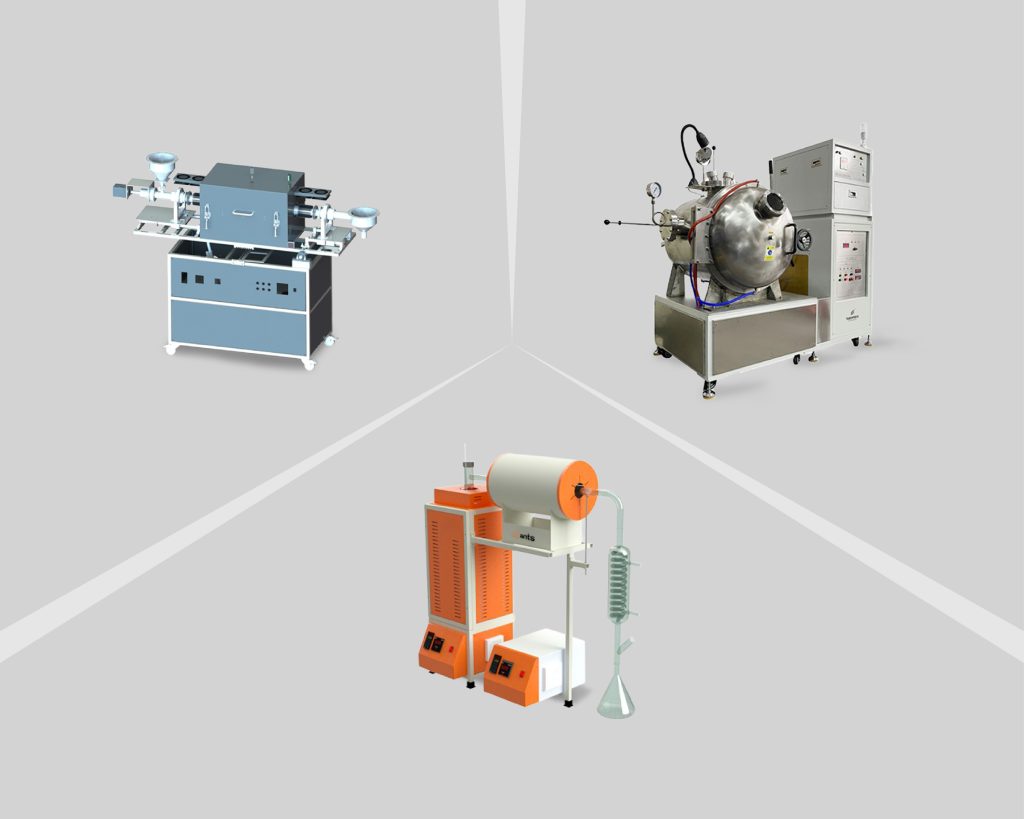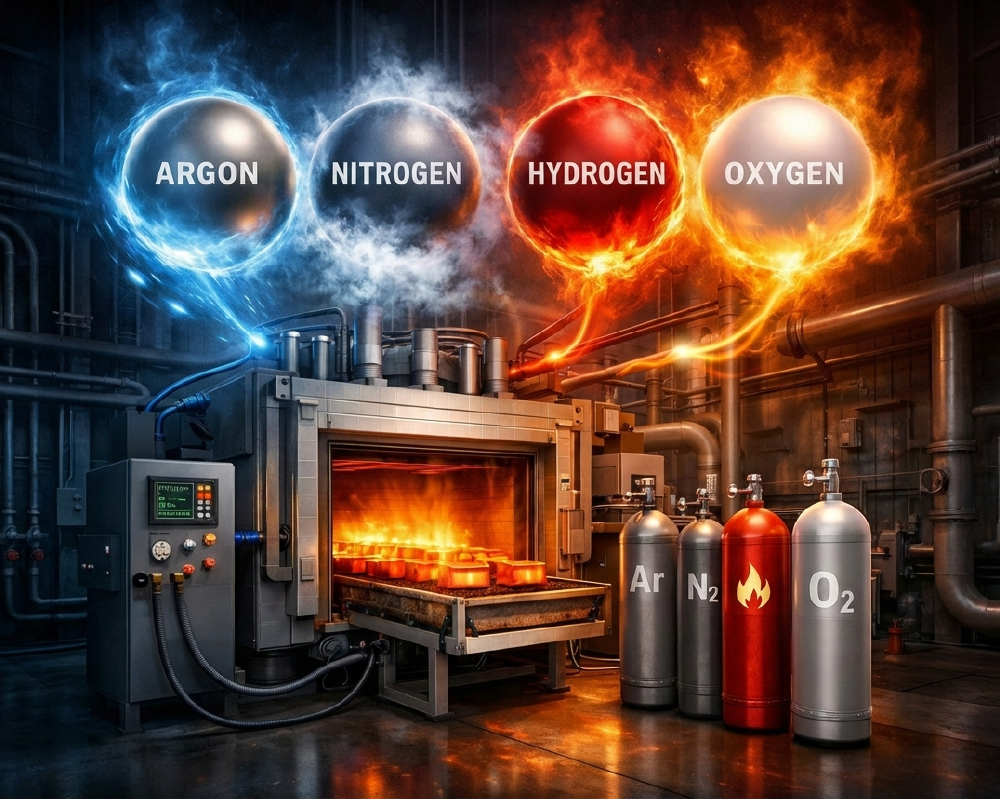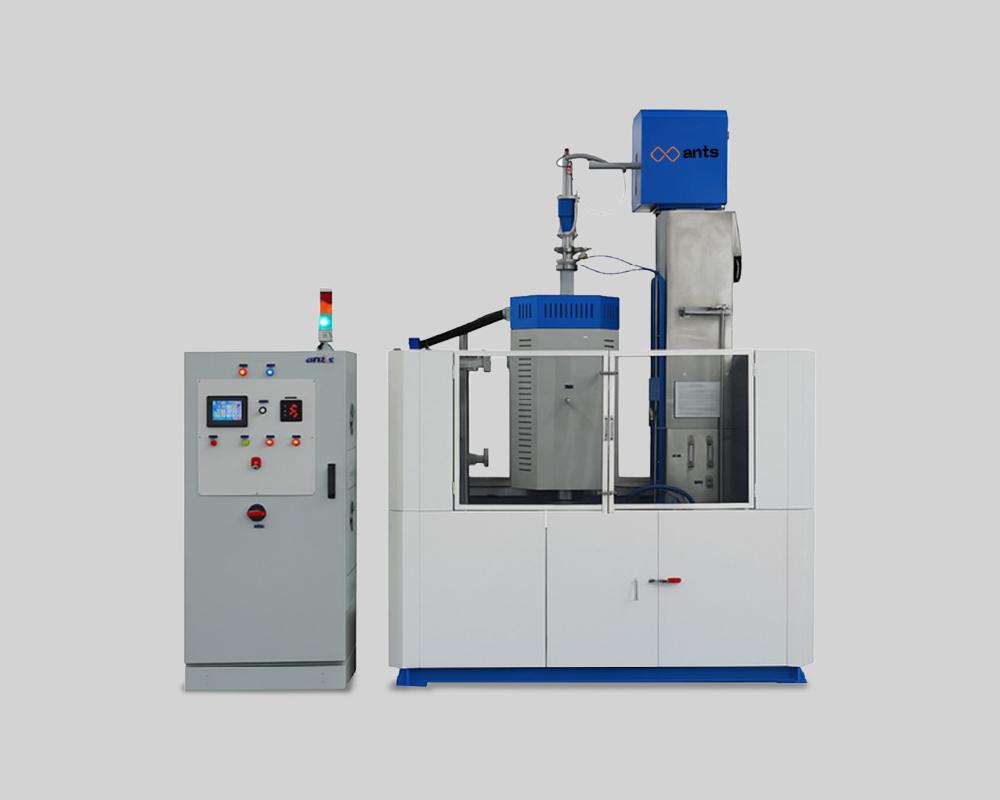
Selecting the appropriate furnace is a key engineering and operational decision that directly influences product quality, throughput, energy efficiency, and overall cost of ownership. A common dilemma in thermal processing is deciding between a batch furnace and a continuous furnace. Both technologies are well-established, but their suitability depends on production volume, process stability, and required flexibility.
Understanding the Basics
Batch Furnaces
Batch furnaces operate on a discrete processing cycle. Materials are loaded, subjected to a predefined thermal profile (heating–soaking–cooling), and then unloaded before the next cycle begins.
Typical applications:
- Heat treatment of components with varying sizes and geometries
- Job shops and R&D environments
- Low to medium production volumes
- Processes requiring frequent recipe or material changes
Continuous Furnaces
Continuous furnaces process materials in a steady flow through sequential zones such as heating, soaking, and cooling. Material movement is enabled by conveyors, rollers, or pusher mechanisms, maintaining near steady-state conditions.
Typical applications:
- High-volume manufacturing
- Automotive and steel processing industries
- Wire, strip, and tube heat treatment
- Processes demanding high uniformity and repeatability
Key Differences
Flexibility vs. Throughput
- Batch furnaces provide high flexibility by handling a variety of materials, shapes, and thermal cycles with minimal changeover. In contrast, continuous furnaces are designed for maximum throughput and consistency, making them well-suited for standardized, repetitive processes.
Production Rate
- Batch furnaces experience longer cycle times because of their sequential stages of loading, heating, soaking, cooling, and unloading. In contrast, continuous furnaces offer much higher productivity through an uninterrupted flow of material.
Energy Efficiency
- Batch furnaces incur energy losses during door openings and repeated thermal ramping. Continuous furnaces are generally more energy-efficient per unit processed, operating at steady temperatures and often incorporating heat recovery systems.
Footprint and Integration
- Batch furnaces typically require less floor space and are easier to integrate into existing facilities. Continuous furnaces require larger layouts, integrated material-handling systems, and more extensive planning.
Operating and Maintenance
- Batch furnaces involve more operator involvement but are relatively easier to maintain. Continuous furnaces offer greater automation with less manual work, though they require skilled maintenance and careful planning for scheduled downtime.
Quality and Process Control
- Batch furnaces enable precise control of each load, making them ideal for specialty alloys and critical components. Continuous furnaces, after stabilization, offer reliable repeatability, ensuring consistent quality in high-volume production.
Both furnace types can be equipped with controlled atmospheres, vacuum systems, and advanced instrumentation. However, process uniformity and consistency are typically easier to maintain in continuous systems, whereas batch systems excel in adaptability and process customization.
 By zeptixdigitalcs1
 By innovbeyond