Necessity of Controlled Atmospheres in Thermal Treatment
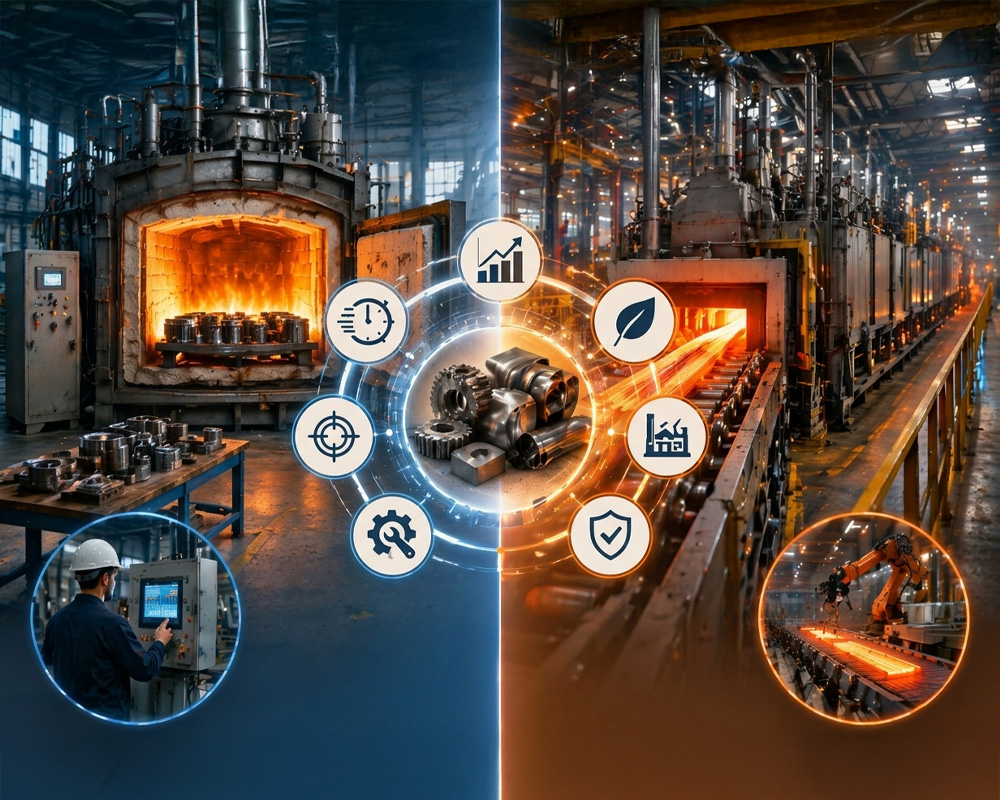
In modern materials science and metallurgy, maintaining purity and preventing contamination during the thermal treatment of materials is critical. Vacuum and inert atmosphere technologies enable processes like melting, sintering, and crystal growth under conditions that eliminate oxidation and unwanted reactions. These technologies form the backbone of high-performance industries, ranging from aerospace alloys to semiconductor materials.
Core Equipment for High-Purity Processing of Materials
1. Retort-based Furnaces
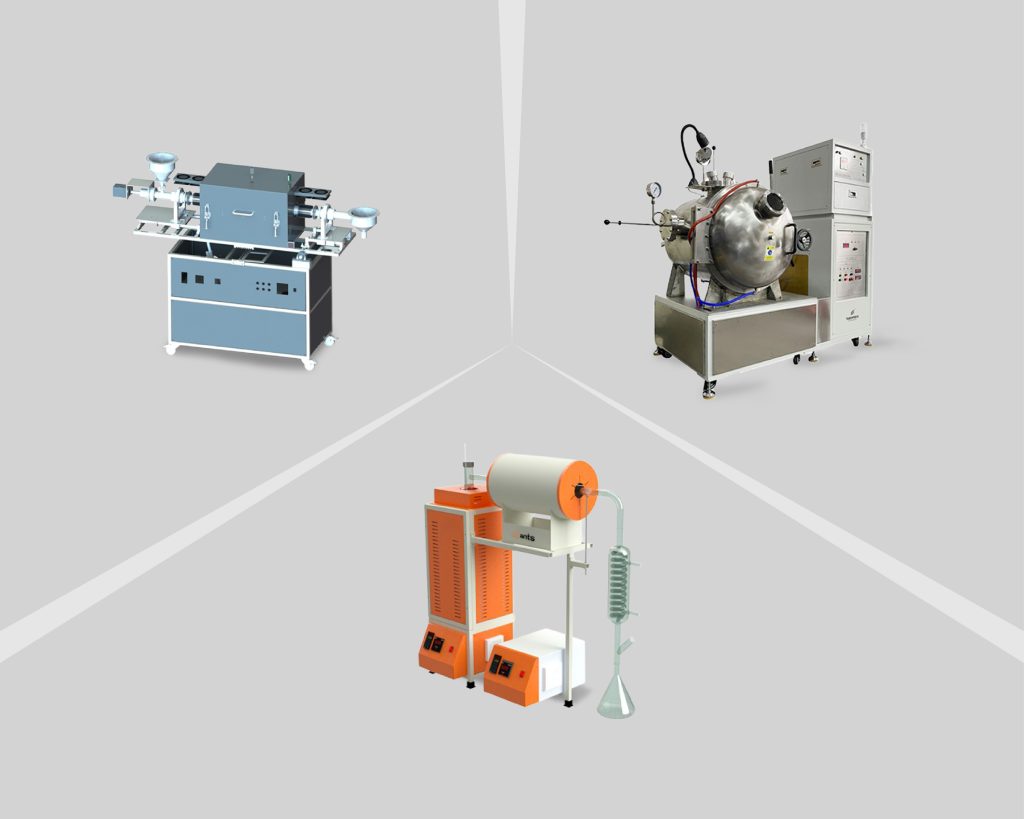
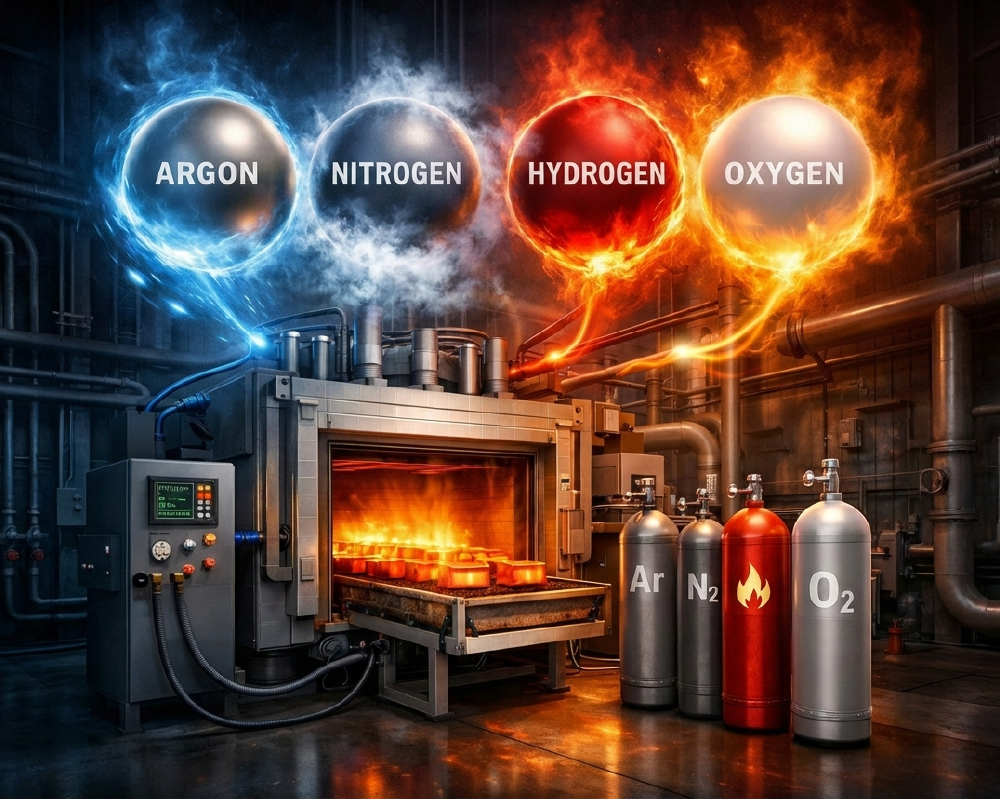
• Specifications: 800–1800°C; Retort design for sealed processing; compatible with Argon, Nitrogen, and reducing gases.
• Applications: Thermal treatment of metals and ceramics, roasting, calcination, and decomposition under inert conditions to prevent oxidation and contamination.
2. Vacuum Tube Furnaces
• Specifications: 800–1800°C, vacuum ≤10⁻⁵ mbar, multi-zone heating, uniformity ±2°C.
• Applications: Heat treatment, diffusion, reduction, and sintering under vacuum or controlled atmospheres for metals, ceramics, and composites.
3. Vacuum Induction Furnaces
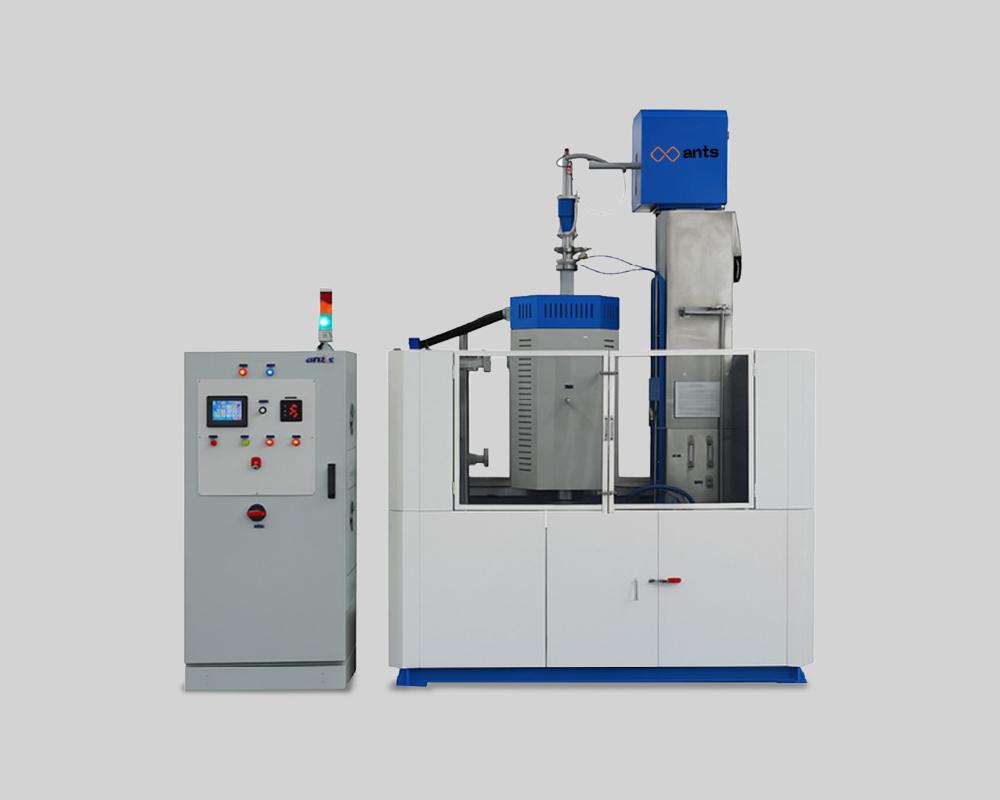
• Specifications: Up to 2800°C, induction power 25–200 kW, graphite or ceramic crucibles, controlled inert/reducing atmospheres.
• Applications: Melting, alloying, refining of metals and superalloys, graphitization, and carbon–carbon composite densification.
4. Vacuum Arc Melting Systems
• Specifications: Up to 3000°C, arc current up to 800 A, water-cooled copper hearth, multi-electrode operation.
• Applications: High-purity melting and alloying of reactive metals like titanium and zirconium, laboratory ingot production.
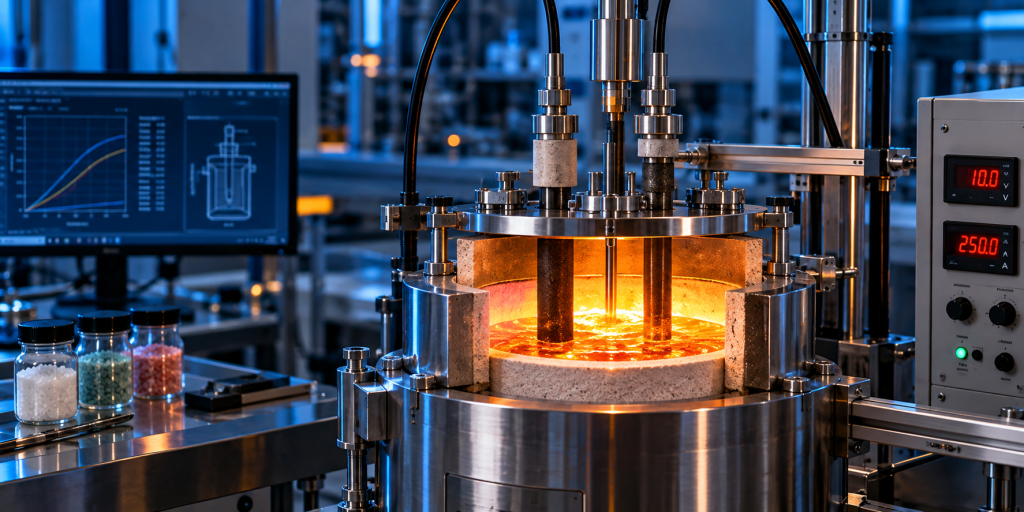
5. Vacuum Hot Press
• Specifications: Up to 1800°C, vacuum ≤10⁻⁵ mbar, uniaxial pressure up to 100 kN.
• Applications: Densification, sintering, and diffusion bonding of ceramics, metals, and composites for high-density functional materials.
Applications Across Industrial Sectors
1. Critical Metal Extraction : ARC melting, induction melting, and vacuum furnaces for refining rare and reactive metals.
2. Advanced Ceramics : Controlled sintering and diffusion bonding for aerospace and electronics.
3. Semiconductors & Crystal Growth: Bridgman furnaces and chemical vapour transport systems for defect-free crystals.
4. Energy Materials: Graphitization furnaces for carbon composites and battery components.
5. Thin Film & Coating: Tube furnaces for CVD, PECVD, and graphene growth under inert conditions.
Vacuum and inert atmosphere technologies are enablers of innovation in critical metal processing, advanced ceramics, and next-generation energy materials. Adopting these systems ensures the precision, purity, and performance of materials for multiple strategic industries that shape the future.
 By zeptixdigitalcs1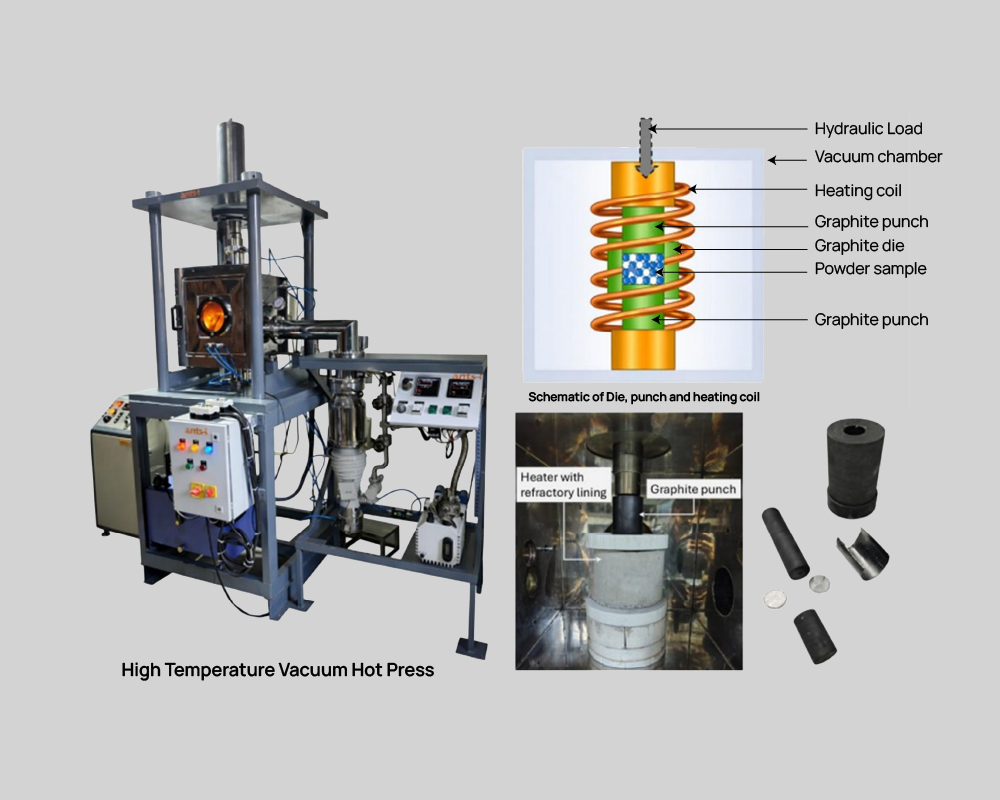
 By innovbeyond