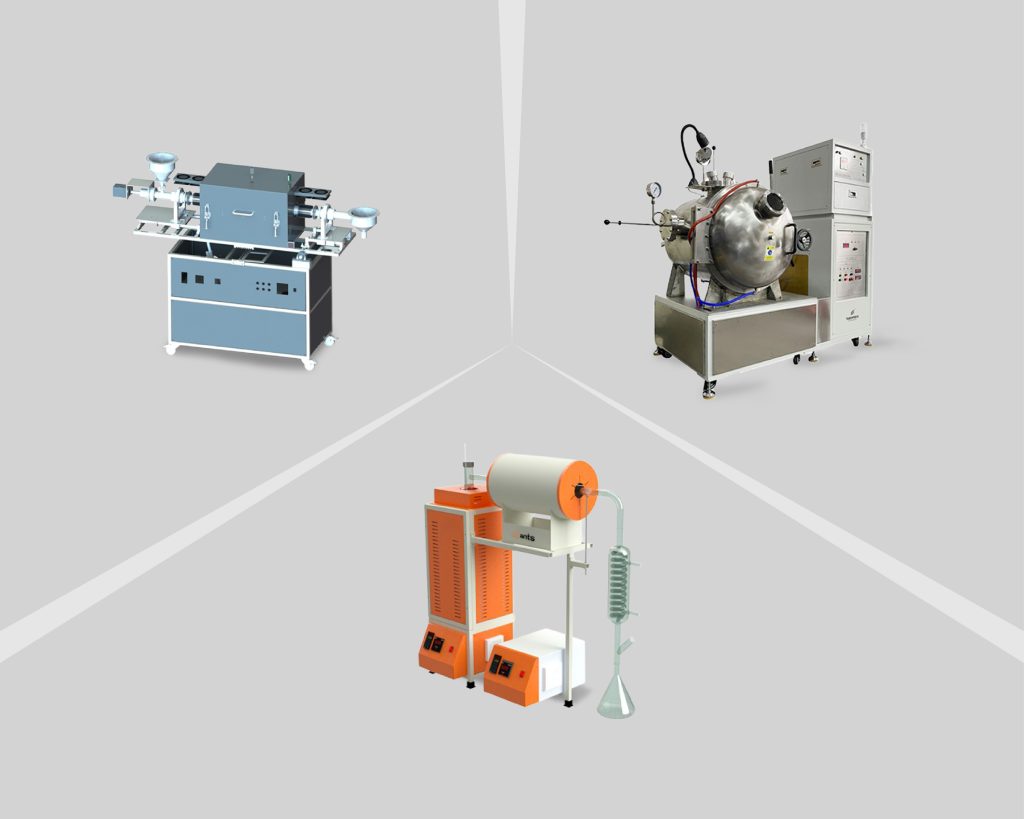
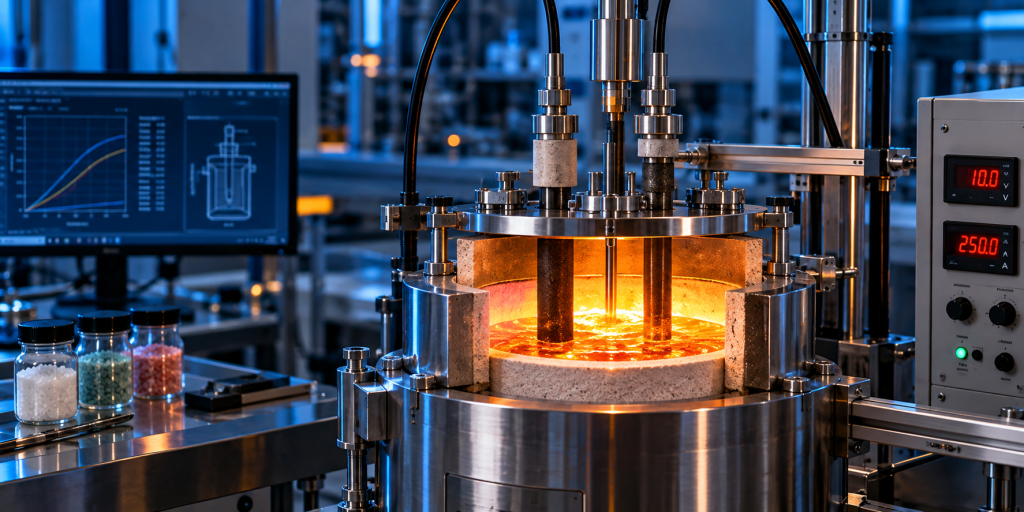
Understanding the high-temperature behaviour of iron-bearing materials is vital for efficient blast furnace operation. In a blast furnace, iron ore pellets undergo transformations such as drying, reduction, stabilization as sponge iron, softening, melting, and dripping as pig iron, especially between 1100°C and 1500°C. These stages affect gas permeability and the cohesive zone formation, critical for stable, smooth operation. Understanding these processes is key to predicting material performance and maintaining efficiency. Need to Study the Thermal Behaviour of Iron Ore Pellets Iron ore pellets undergo extreme physical and chemical changes in the blast furnace: transitioning from solid to porous metal, softening under mechanical load, partially melting, and finally turning into liquid iron at temperatures above 1100°C. These conditions cannot be accurately simulated in conventional laboratory furnaces. Since iron-bearing materials account for up to 70% of the burden, understanding their high-temperature behaviour is essential for raw material selection, pellet blend optimization, reduced coke rates, and stable furnace operation. A single unstable furnace event can lead to major economic losses, including emergency shutdowns, refractory damage, and productivity declines, costs that far exceed the price of a specialized furnace for controlled lab evaluation. At ANTS Innovations, we introduce our Custom-Built Softening & Melting (S&M) Furnace, designed to simulate blast furnace conditions to help steel plants optimize raw materials and increase productivity. The Softening & Melting (S&M) Furnace replicates the key thermal and mechanical conditions of a blast furnace, enabling controlled, repeatable laboratory testing. Unlike the dynamic environment in a blast furnace, which involves complex heat transfer, gas flow, and burden movement, the S&M furnace offers a stable platform for evaluating the softening, melting, and permeability characteristics of iron ore pellets. This allows steel plants and research labs to predict cohesive zone behaviour without the variability and risks associated with full-scale furnace trials.
This furnace enables steel plants and R&D labs to accurately determine softening temperature (Ts), melting temperature (Tm), and the Softening–Melting Interval (ΔT), key indicators of BF permeability and stability.
Softening–Melting Interval (ΔT = Tm – Ts)
• Narrow ΔT → Better permeability → More efficient BF
• Wide ΔT → Poor gas flow → Risk of instability
Our S&M furnace is engineered to replicate the exact thermo-mechanical environment inside a blast furnace, enabling accurate prediction of pellet behavior.
Key Technical Features
• Maximum temperature: 1600°C
• Vertical split tube design for easy sample access
• Temperature uniformity: ±5°C
• Hot zone length: 130–140 mm
• Heating elements: High efficiency MoSi₂
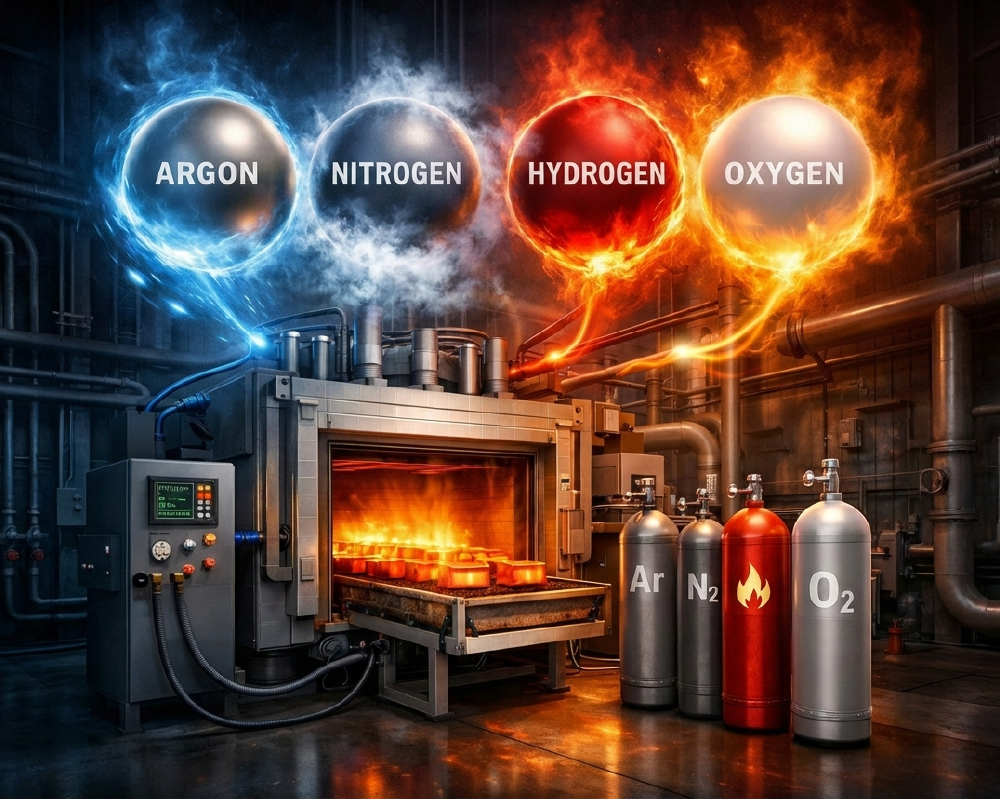
• Atmosphere control: Inert (N₂) or reducing (30% CO / 70% N₂)
• Load capability: Simulates BF pressure with a 2 kg/cm² hydraulic press.
 By zeptixdigitalcs1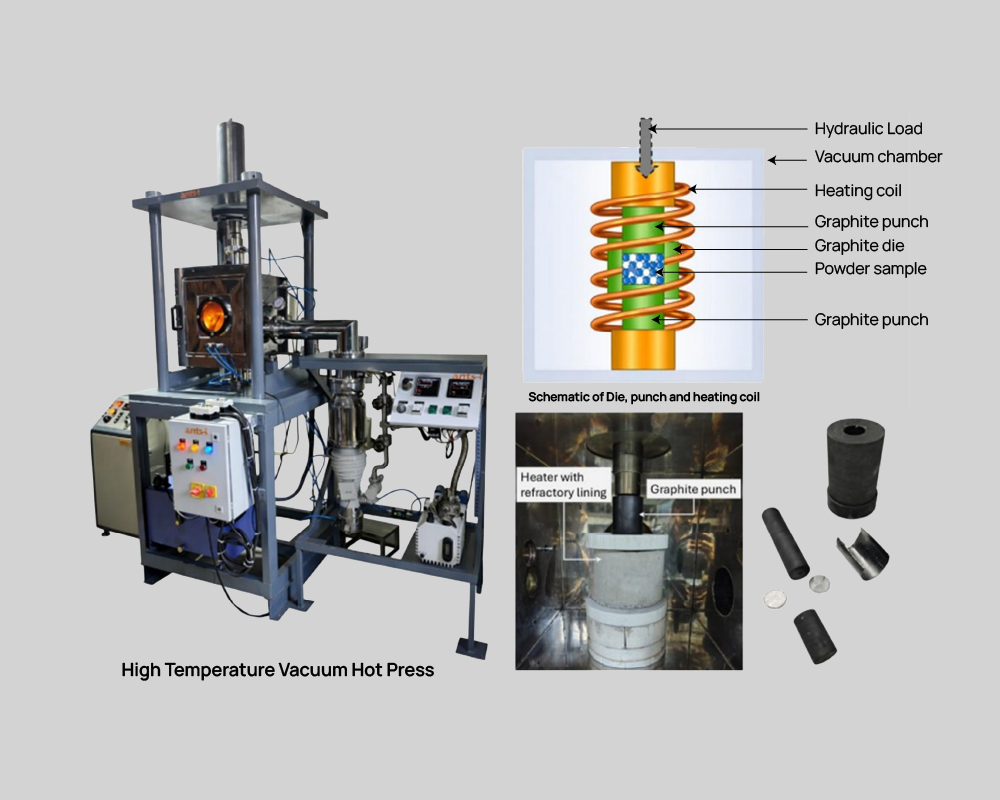
 By innovbeyond