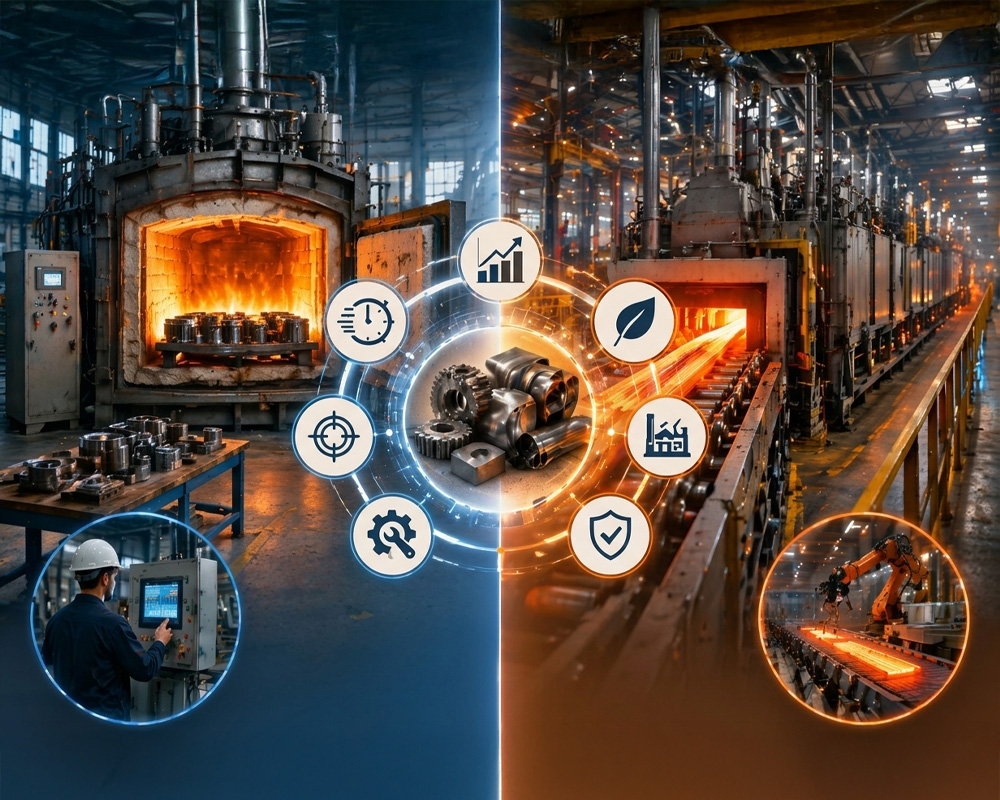
Molten salt electrochemical reactors enable high-temperature electrochemical conversion through ionic transport in molten electrolytes and controlled electron transfer at electrode–electrolyte interfaces. These systems offer promising pathways for metal oxide reduction, metallurgical extraction, and advanced materials processing under precisely controlled thermal and electrochemical conditions.
Molten Salt Electrochemical Reactor System:
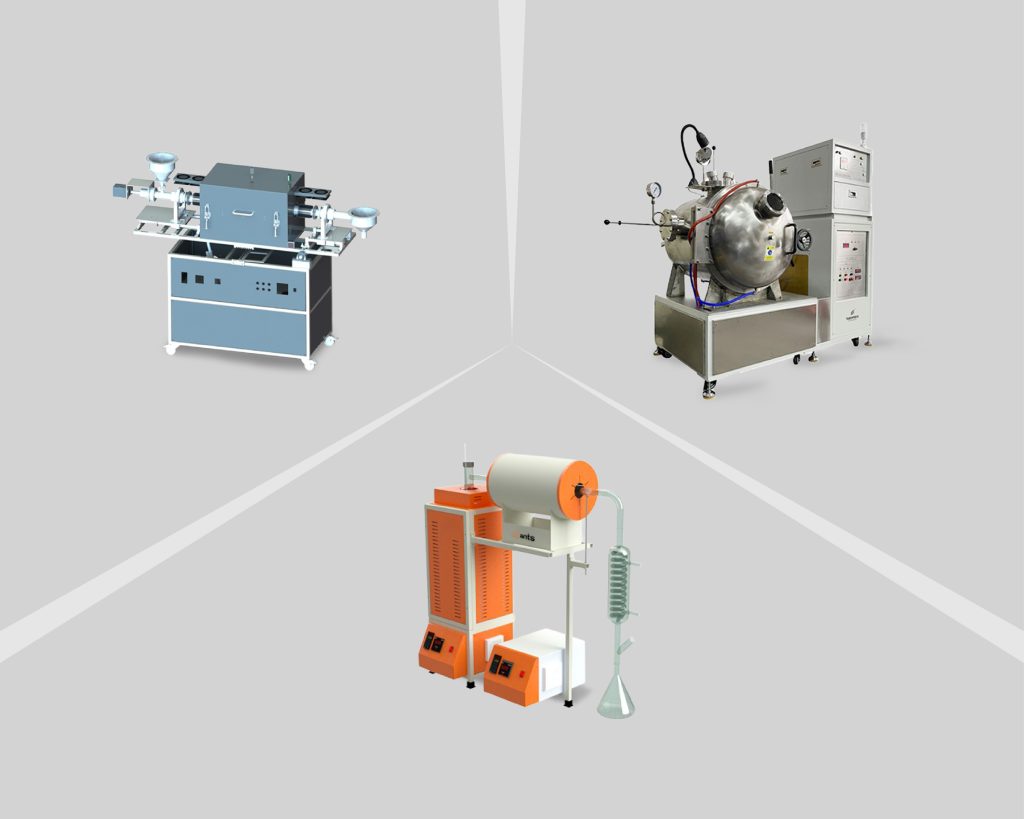
A Molten Salt Electrochemical Reactor System uses a molten ionic salt as an electrolyte to drive high-temperature electrochemical reactions under controlled voltage or current. It combines a heated reactor vessel, compatible crucible, electrodes, DC power supply and monitoring instruments. By enabling ionic conduction and electron transfer at electrode–electrolyte interfaces, it supports reduction, oxidation, metal deposition, electrorefining, alloy production and advanced material synthesis with greater reaction control than conventional thermal processing.
Need for Molten Salt Electrochemical Reactor
Conventional thermal reduction may involve multiple processing stages, high reducing-agent consumption or difficulties in processing refractory metal oxides. Molten salt electrochemical processing offers an alternative route by combining high-temperature operation with direct electrochemical control.
Key advantages include:
Direct electrochemical reduction: Enables the conversion of selected metal oxides into metallic products through controlled cathodic reduction.
Processing of refractory materials: Supports research into materials that are difficult to process using conventional aqueous electrochemical techniques.
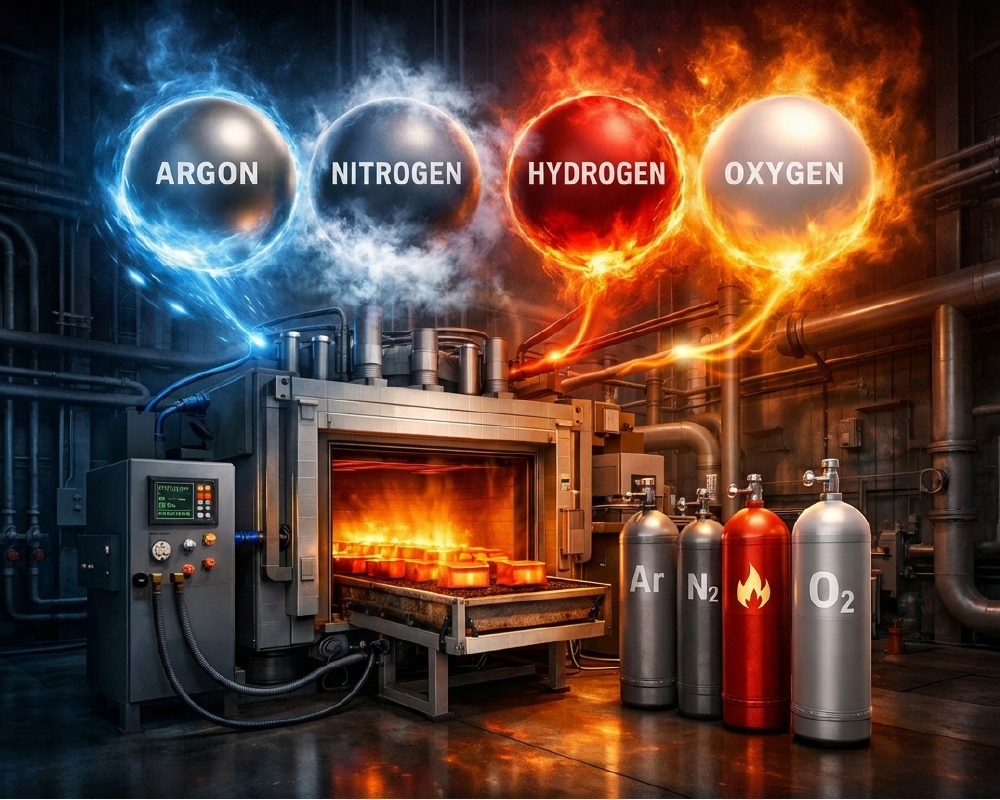
Controlled reaction conditions: Allows adjustment of voltage, current, temperature and electrolyte composition to influence reaction performance.
Metal recovery and refining: Offers potential routes for extracting or recovering valuable metals from suitable oxide-bearing feedstocks.
Advanced materials development: Supports the preparation of metals, alloys and functional materials with tailored compositions and microstructures.
This technology is particularly relevant to materials research laboratories, metallurgical R&D centres and pilot-scale facilities investigating alternative routes for high-temperature material processing.
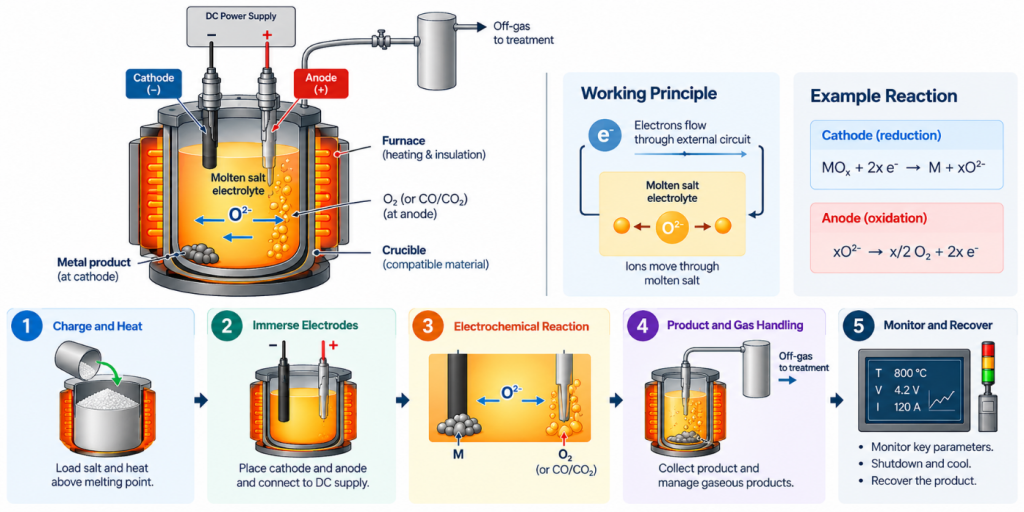
Working Principle of a Molten Salt Electrochemical Reactor
The operating principle is based on ionic conduction through a molten electrolyte and electron transfer through an external electrical circuit.
Potential Applications of Molten Salt Electrochemical Reactor Systems
Metal Extraction and Refining
Molten salt electrolysis is used in established metal-production processes and is investigated for the extraction, recovery and refining of selected metals. Specialized electrochemical reduction methods can also convert suitable metal oxide feedstocks into metallic products.
Refractory Metal Production
Research into direct electrochemical reduction has demonstrated potential for processing refractory metal oxides, including titanium-bearing materials. Process conditions and cell design vary with the metal and its precursor chemistry.
Battery Recycling and Metal Recovery
Molten salt electrochemical methods can be investigated for recovering selected metals from battery-derived materials and other secondary resources. The feasibility depends on feed composition, impurity management, electrolyte selection and separation requirements.
Advanced Materials and Alloy Development
The technology supports research into alloy production, electrodeposition, material synthesis and controlled modification of composition and microstructure.
Nuclear Materials Processing
Specialized molten salt electrochemical systems are investigated for pyrochemical processing and the treatment of certain nuclear materials. Such applications require dedicated containment, remote handling and regulatory controls.
Electrochemical Research and Process Development
Laboratory-scale reactors are valuable tools for evaluating electrode materials, reaction kinetics, salt chemistry, current efficiency and process scale-up before developing pilot-scale equipment.
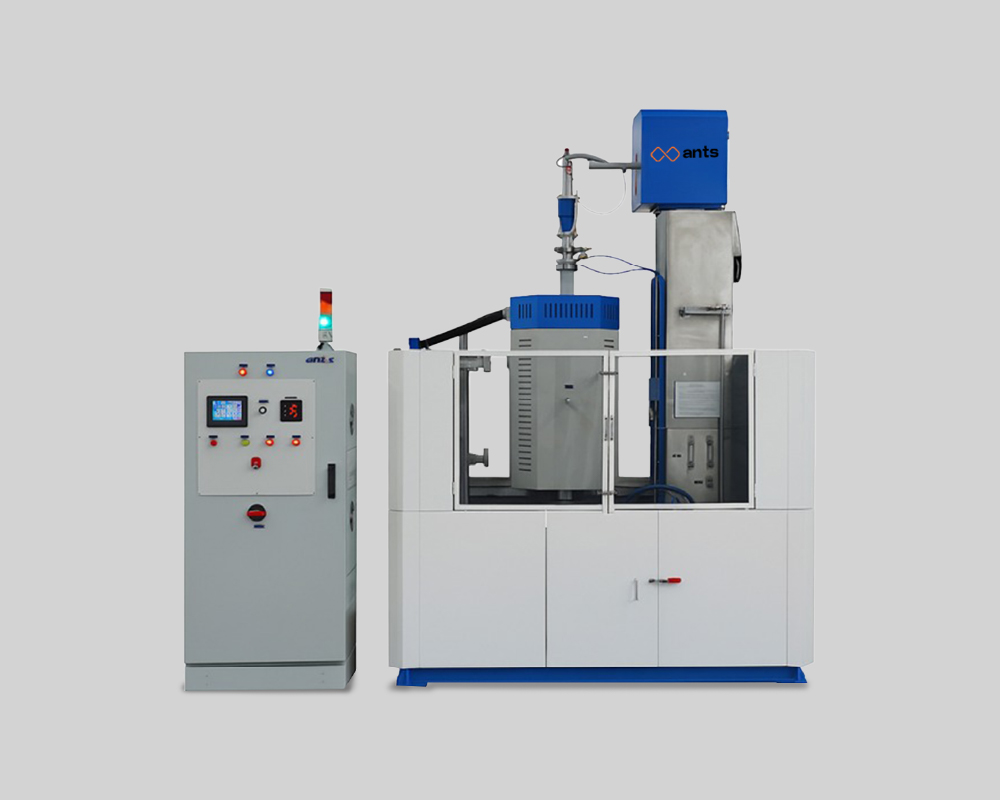
Ants Innovations Pvt. Ltd. specializes in designing and developing customized Molten Salt Electrochemical Reactor Systems tailored to specific research and industrial requirements. From reactor configuration and materials of construction to heating systems, electrode assemblies, atmosphere control, and process instrumentation, every solution is engineered around the customer’s application and operating conditions.
Looking to develop your next high-temperature electrochemical process?
Partner with Ants Innovations to transform your research requirements into a customized reactor solution. Contact our technical team today to discuss your application, define your process requirements, and explore a suitable system for your R&D or pilot-scale operations.
 By innovbeyond